One-Pot Enzymatic & Microbial Conversion for High-Value Aromatics: PBAT waste is growing – but efficient recycling routes are not. acib offers a new integrated approach that converts polyesters such as PBAT into valuable chemical building blocks by combining cutinase depolymerisation and microbial upcycling in a single intensified process.
Background
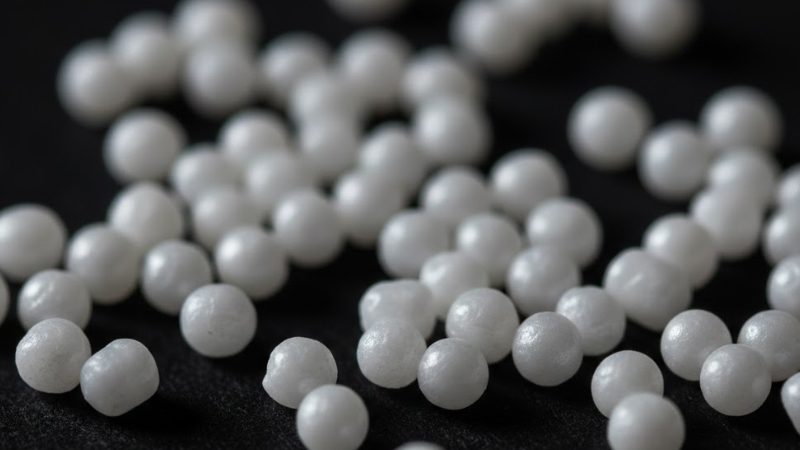
PBAT (poly(butylene adipate-co-terephthalate)) is a commercially important biodegradable polyester, yet today no scalable valorisation technology exists. Mechanical routes downcycle; chemical routes remain costly. Enzymatic depolymerisation can release adipic acid (AA), terephthalic acid (TA) and butanediol (BDO), but:
- Hydrolysates contain mixed monomers & oligomers, complicating purification.
- Temperature mismatch: cutinases require ~70 °C; microbes grow at ~30 °C.
- TA conversion is inhibited by AA and TA-rich oligomers in real hydrolysates.
Technology
acib’s platform enables two-step, one-pot PBAT upcycling:
- High-efficiency Humicola insolens cutinase (HiC) depolymerisation at 70 °C yields AA, BDO and TA.
- Optimised feeding, buffering and enzyme conditions overcome inhibition effects and enable complete monomer consumption after process refinement.
- Optional product modules enable microbial conversion into valuable compounds and precursors.
- Builds on acib’s proven expertise in enzymatic polymer degradation and microbial valorisation.
This creates a new circular route for PBAT or other polyesters, shifting from biodegradation to true biochemical upcycling.
Offer
Work with acib to develop the next generation of PBAT upcycling by combining tailored enzyme engineering, including improved HiC variants and enzyme cocktails, with robust microbial strain development capable of handling real industrial hydrolysates. acib supports the optimisation of the full process for single-stream or mixed PBAT waste and the design of targeted aromatic products together with suitable downstream concepts. All project-specific IP generated within the collaboration can be fully transferred to the industrial partner, making this approach particularly attractive for companies in packaging, recycling, performance chemicals, biobased materials, and sustainability-driven innovation.
Experts:
Prof. Dr. Georg Gübitz, Dr. Felice QuartinelloDevelopment status:
Technology Readiness Level 4 (Technology Validated in Lab)Keywords:
Biopolymer Upcycling, Polyester Depolymerisation, Enzymatic Polymer Recycling, Plastic Biorefinery, Mixed Plastic Waste Valorisation, Circular Polymer Economy, Sustainability
Picture: acib